
Three Decades of Global Celebrations
Your achievements deserve to be
the ones the world remembers.
Drag to orbit · click the centre panel to explore
From the Nelson Mandela 46664 Concert reaching 2 billion viewers across 166 countries, to co-founding the MOBO Awards, producing the BRIT and BAFTA Film Awards, and staging Red Square's first major festival in 75 years — theGreatIdeas.Company founders have spent three decades at the highest level, across Europe, Asia, Africa, and the Middle East. We combine broadcast-standard production with cultural intelligence, helping organisations turn their achievements into ceremonies that resonate globally.
theGreatIdeas.Company founders bring over 30 years each of proven experience across Asian, European, Latin American, African, and Middle Eastern markets — our principals have developed, designed, and coordinated the activities behind some of the most significant cultural ceremonies of our time.
Large-scale events in UK, South Africa, Mexico, India and Russia. Extensive European broadcast and live event production. Middle Eastern cultural diplomacy and state ceremony experience.
We have worked with and have access to some of the best production and technical minds globally — award-winning designers, A-list performers, industry-best legal minds, and protocol specialists.
theGreatIdeas.Company founders have not merely produced events — they have built institutions that endure. The MOBO Awards, UK Music Hall of Fame, Channel [V], and more were created from concept by our team.
We function as strategic partners whose role is to identify what merits celebration, understand why it matters to your stakeholders, and structure recognition that serves long-term organisational positioning.
The following projects are documented in public broadcasts, institutional records, and international media archives. They are not case studies assembled after the fact — they are the working foundation of everything we offer.
![Channel [V] Indian Music Awards](img/portfolio/portfolio-channelv-indian-music-awards.jpg)
![Channel [V] — India, Thailand & Australia](img/portfolio/portfolio-channel-v-india-thailand.jpg)



We organise our work by the nature of the ceremony — because what makes a ceremony powerful is determined by what the occasion demands, not the industry sector of the organisation commissioning it.



When you have delivered live events to 166 countries, you do not think about distribution as a final step. It shapes everything from the start — the way the narrative is structured, the way the venue is designed, the way the evening unfolds. Every decision is made with the understanding that the audience extends far beyond the room.
Your milestone deserves to travel beyond the event itself. If you are marking a significant anniversary, national achievement, major certification, or new launch — and you want that moment understood by audiences in other cities, other countries, other industries — then distribution thinking must be present from the very first conversation, not added as an afterthought once the evening is planned.
Our experience co-founding the MOBO Awards, creating the UK Music Hall of Fame, and producing the BRIT and BAFTA Awards over multiple years demonstrates how to turn a single ceremony into a recurring annual institution. The first year must be credible enough to earn a second. The format must be flexible enough to evolve but consistent enough to become a reference point.
You want to create a recognition platform with longevity — not a one-off gala forgotten within a month, but a recurring occasion that becomes part of the calendar, that people anticipate, and that grows in authority over time. Any organisation, industry body, or government seeking this kind of enduring recognition needs these founding disciplines.
Working alongside the British royal family's charities, internationally recognised artists, political leaders, and heads of broadcast networks — at events such as Fashion Rocks, Pavarotti in the Park, and the 46664 Concert — has given us direct, sustained experience with complex protocol and sensitive stakeholder relationships.
Your guest list includes ministers, regulators, sponsors, royal patrons, politicians, diplomatic representatives, or institutional leaders. The creative ambition of the event must coexist with protocol requirements that are absolute. Seating, introductions, security, press management, the order of proceedings — all of it must be handled with precision, because at this level, the conduct of the event reflects on every institution and individual associated with it. If your milestone involves government, royalty, international partners, or regulatory bodies — if the guest list alone represents a diplomatic exercise — then you need a team that has operated in exactly these conditions before.
Working in Moscow's Red Square after the Soviet era. Building Channel [V] in India during a period of rapid cultural change. Developing Endemol's operations across seven Southeast Asian countries. All of this required working in markets where the cultural, regulatory, and economic context was changing rapidly. Standard assumptions did not apply. Relationships had to be built from scratch. Formats had to be adapted, not transplanted. Sensitivity to local conditions was not optional — it was the difference between success and failure.
Your organisation is operating in a market where the rules are still being written — where regulatory environments are evolving, where cultural expectations differ from those of established Western markets — then you need partners who have already worked in those conditions and delivered at scale. This experience is directly applicable to the emerging and developing economies where many of the world's most significant but least recognised achievements are taking place today.
We function as strategic partners, not vendors awaiting instructions. Our role is to help you identify what merits celebration and how it can be presented visually — to understand why it matters to your stakeholders, and to structure recognition that serves long-term organisational positioning. We arrive with questions, not just quotations.
We recognise that many clients come from cultures where self-promotion conflicts with cultural values. Our approach reframes celebration not as boasting, but as storytelling; not as self-promotion, but as stakeholder engagement. We create moments where employees, partners, and communities can see themselves reflected in organisational success — where the achievement belongs to everyone who contributed to it.
We deliver international broadcast-standard content to all media outlets that want it, thus maximising the impact of the messaging. We apply cultural sensitivity to celebrations that must honour tradition while projecting contemporary relevance. We provide distribution networks to organisations with vision but limited international connections — bridging the gap between the quality of what you've achieved and the scale at which it can be communicated.
Our team has worked where technical excellence must be explained across cultures, where protocol matters absolutely, and where the difference between a successful event and a transformative one lies in understanding what is really being celebrated — and why it matters beyond the room. We have operated at the highest levels of cultural diplomacy, national celebration, and international broadcast. That experience does not stay at the door.
The ability to incorporate focused and eye-catching messaging into organisational achievements in order to enhance their global impact. We do not separate the story from the substance — we build them together so that what the world sees is a true and compelling picture of what you have actually done.
Our process begins with a thorough examination of your existing event plans and a collaborative dialogue to understand your objectives and aspirations.
Our process begins with thorough examination of your objectives and collaborative dialogue to understand your aspirations — both for recurring events and new projects.
We draw upon our collective network of business relationships spanning multiple disciplines and capabilities — from creative direction to legal and talent representation.
This isn't just about being creative. We also work to ensure that the operations, commercial elements, and the human factor are all delivered with care and attention.
Beyond full production services, we offer targeted consultancy where tGI.C specialists advise your team on specific aspects of your event requirements.
Methodology for connecting organisational history to future positioning — ensuring your milestone tells the right story to the right audiences and establishes a foundation for continued growth and recognition.
Analysis of which audiences require engagement through the celebration — identifying the full range of stakeholders, from international investors to local communities, and designing participation that resonates with each.
Expertise in structuring celebrations that function effectively across multiple cultures and markets — ensuring that a moment designed for one audience carries its meaning intact when it travels to another.
Capability to create broadcast-quality content that extends organisational reach — from live event production to long-form documentary and broadcast-ready assets that continue working long after the event concludes.
Knowledge to appropriately involve government or institutional partners — managing the formal requirements of events attended by ministers, ambassadors, royal patrons, and regulatory leaders with the precision these occasions demand.
Established relationships to deliver at the scale your achievement warrants — drawing on a global network of proven production professionals, broadcast partners, talent representatives, and institutional contacts built over three decades.
In each case, the structural framework derives from proven models we have developed and tested. The content reflects your verified achievements and authentic organisational narrative.
Over three decades engaging, creating, and directing, theGreatIdeas.Company founders have worked with, and alongside some of the world's most recognised organisations — in broadcasting, entertainment, philanthropy, sport, and culture.
























Our work is documented in global broadcasts, public archives, and institutional histories. We do not claim capabilities we have not demonstrated. Everything we offer is grounded in projects we have already completed — with real names, real dates, real audiences, and real venues.
The structure comes from what we've already built and tested. The content comes from your verified achievements.
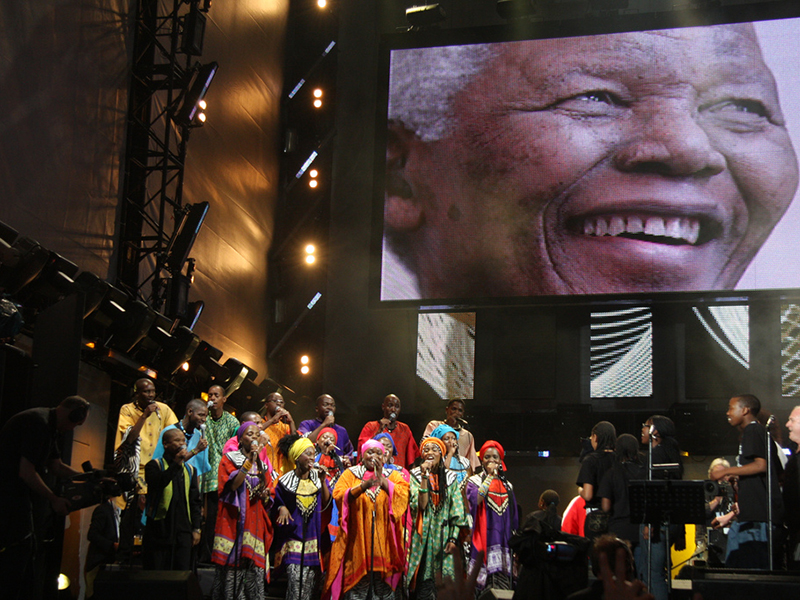
At the time, this was the largest rock concert ever staged in Africa. Nelson Mandela's personal project, the event was designed to highlight the work needed to limit the terrible toll which the AIDS virus had wrought in Africa and all over the world. More than 55,000 people attended in person at Green Point Stadium in Cape Town. An estimated two billion viewers watched across 166 broadcast territories.
The event brought together world-class entertainment, social advocacy, and global broadcast distribution as a single, unified occasion — to bring home the importance of working together, not in parallel, but as one coherent narrative delivered to an audience that spanned the world. Artists appearing included Queen, Beyoncé, Bob Geldof, U2, Ladysmith Black Mambazo, Johnny Clegg, Youssou N'Dour, Annie Lennox and Dave Stewart.
What made this more than a concert was the discipline behind it: aligning the objectives of the Nelson Mandela Foundation, the participating artists, broadcast partners across dozens of countries, local and international security, diplomatic protocol, and a public health message that had to land clearly whether you were in the stadium or watching from a living room in Jakarta. Every element — from the running order to the broadcast cut — served the same purpose.
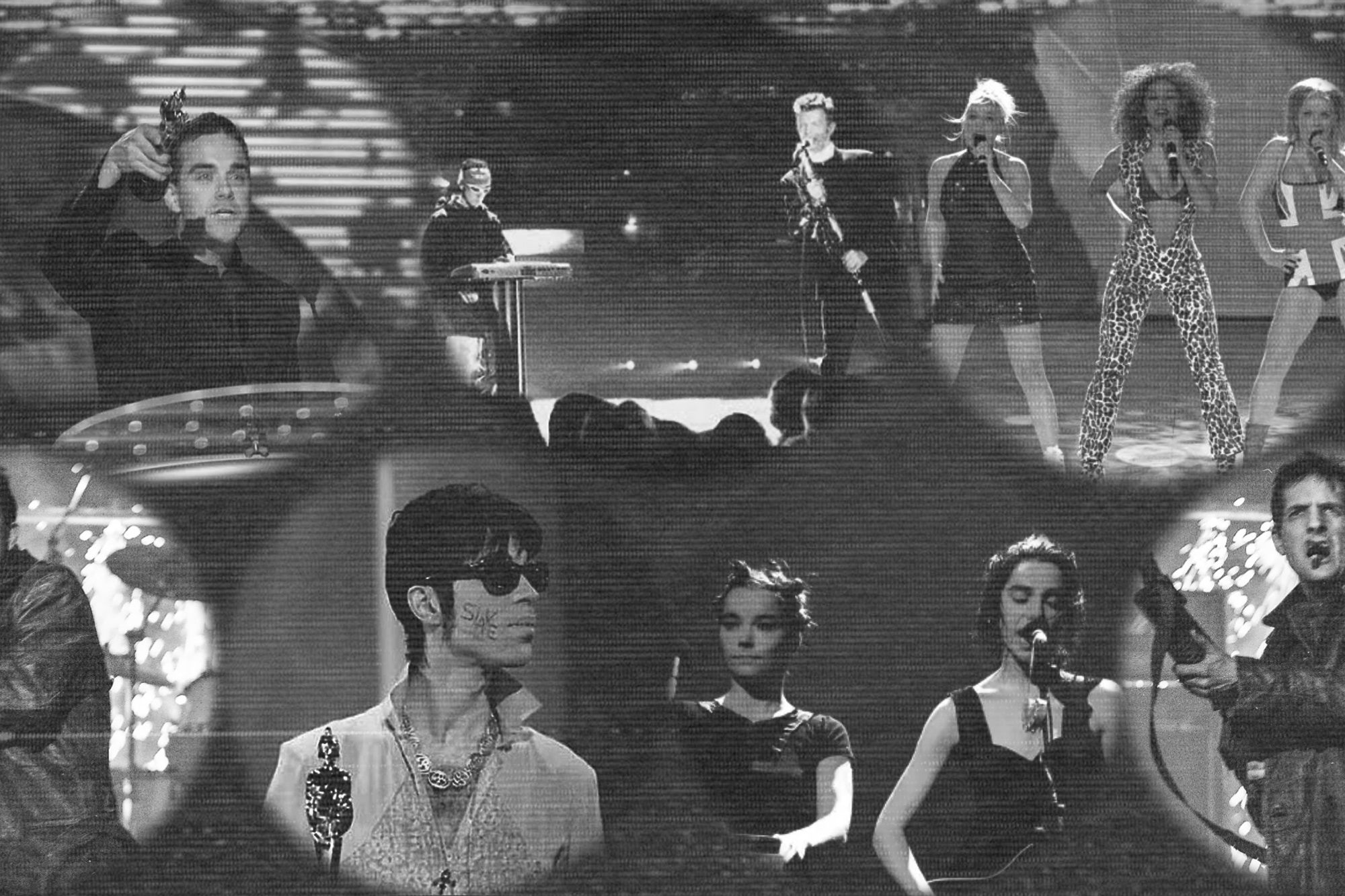
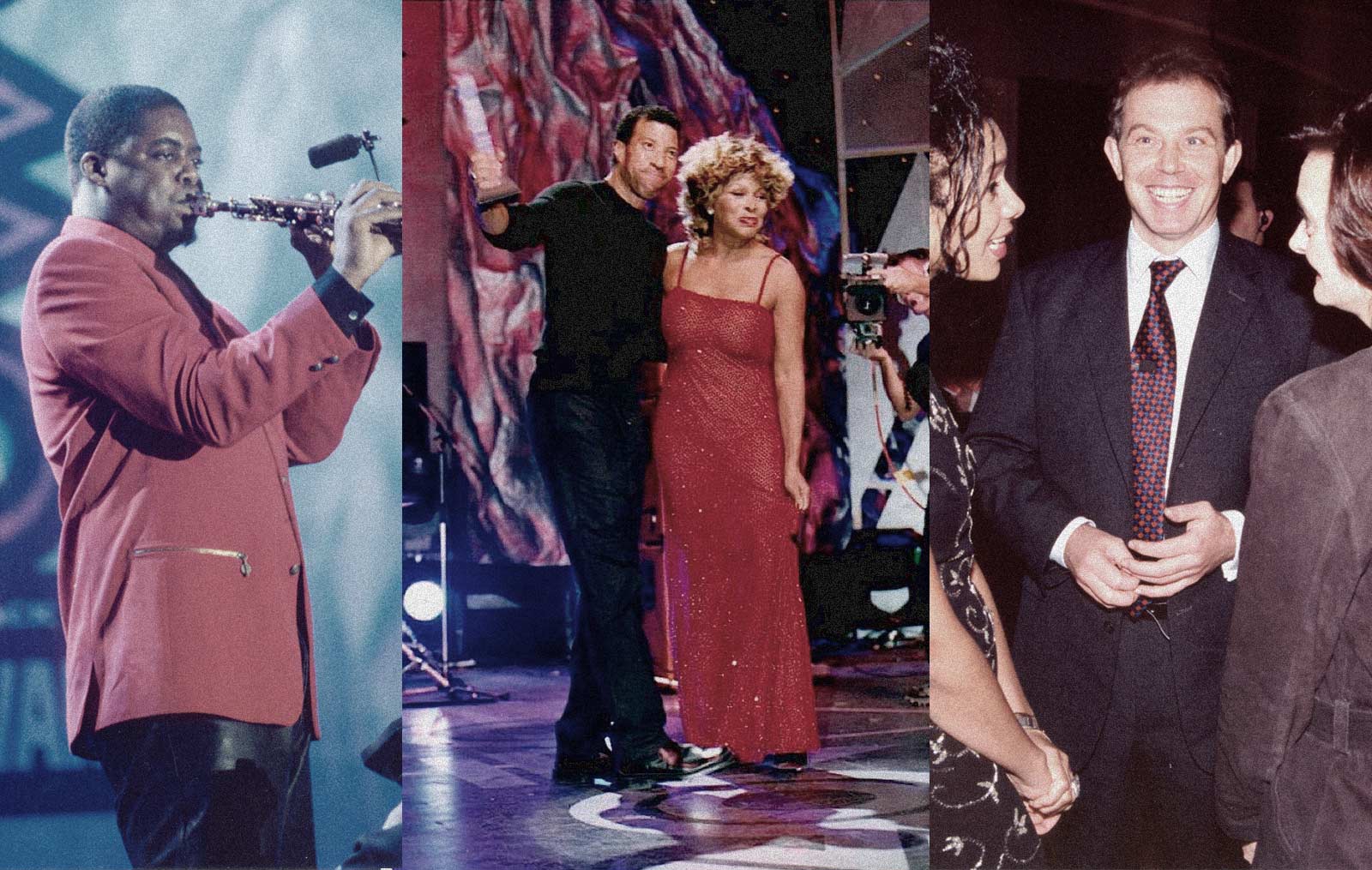
Multi-year involvement with the United Kingdom's premier music awards ceremony. These are events where live performance, industry recognition, formal protocol, and global television broadcast must all operate simultaneously — and where the margin for error is measured in seconds. Managing the competing interests of artists, labels, studios, broadcast networks, sponsors, and institutional stakeholders requires a particular discipline: the ability to hold complexity together so that what the audience sees is clarity.
The BRIT Awards transitioned from a formal industry event into the high-octane "Cool Britannia" spectacle known for Britpop rivalries and historic performances. The redesigned format resulted in a tenfold increase in the viewing audience.
The BRIT Awards are not simply an awards show. It is an annual institution — an event that defines the cultural calendar and carries the reputation of an entire industry. Producing an established institution over multiple years means understanding not just how to deliver a single evening, but how to build something that grows in authority and cultural relevance annually.
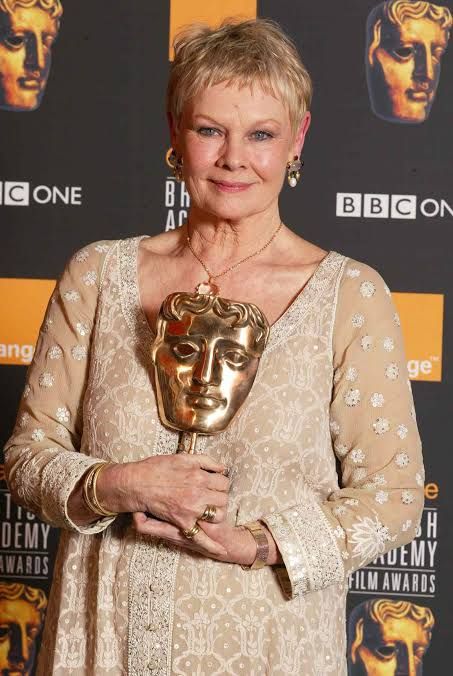
Multi-year involvement with the British Academy Film Awards, the United Kingdom's most prestigious film industry recognition ceremony. Where the BRIT Awards celebrate music, BAFTA honours cinema — but the disciplines are remarkably similar: managing protocol, broadcast excellence, stakeholder complexity, and cultural significance simultaneously.
A key strategic move repositioned the BAFTA ceremony to take place before the Oscars, making it a timely indicator of likely Academy Awards results — dramatically increasing international relevance and viewership. The BAFTA Film Awards are not simply an awards show — they are an annual institution that defines the cultural calendar and carries the reputation of an entire industry.
Co-founded and produced as Europe's first major awards platform dedicated specifically to music of black origin and urban culture. The MOBO Awards were built from a single concept into an established annual institution — a platform that did not exist before and that became a permanent fixture in the cultural landscape.
Co-Founders Dame Kanya King, Andy Ruffell, and tGI.C's Andy Ward devised the format, produced the show, and sold it to broadcasters in the UK and around the world. The awards continue to this day as a recognised institution.
This matters because creating a new awards platform is fundamentally different from producing an existing one. It requires defining the criteria, earning the trust of the community it serves, building credibility with broadcasters and sponsors, and designing a format that is rigorous enough to be taken seriously from its very first year.
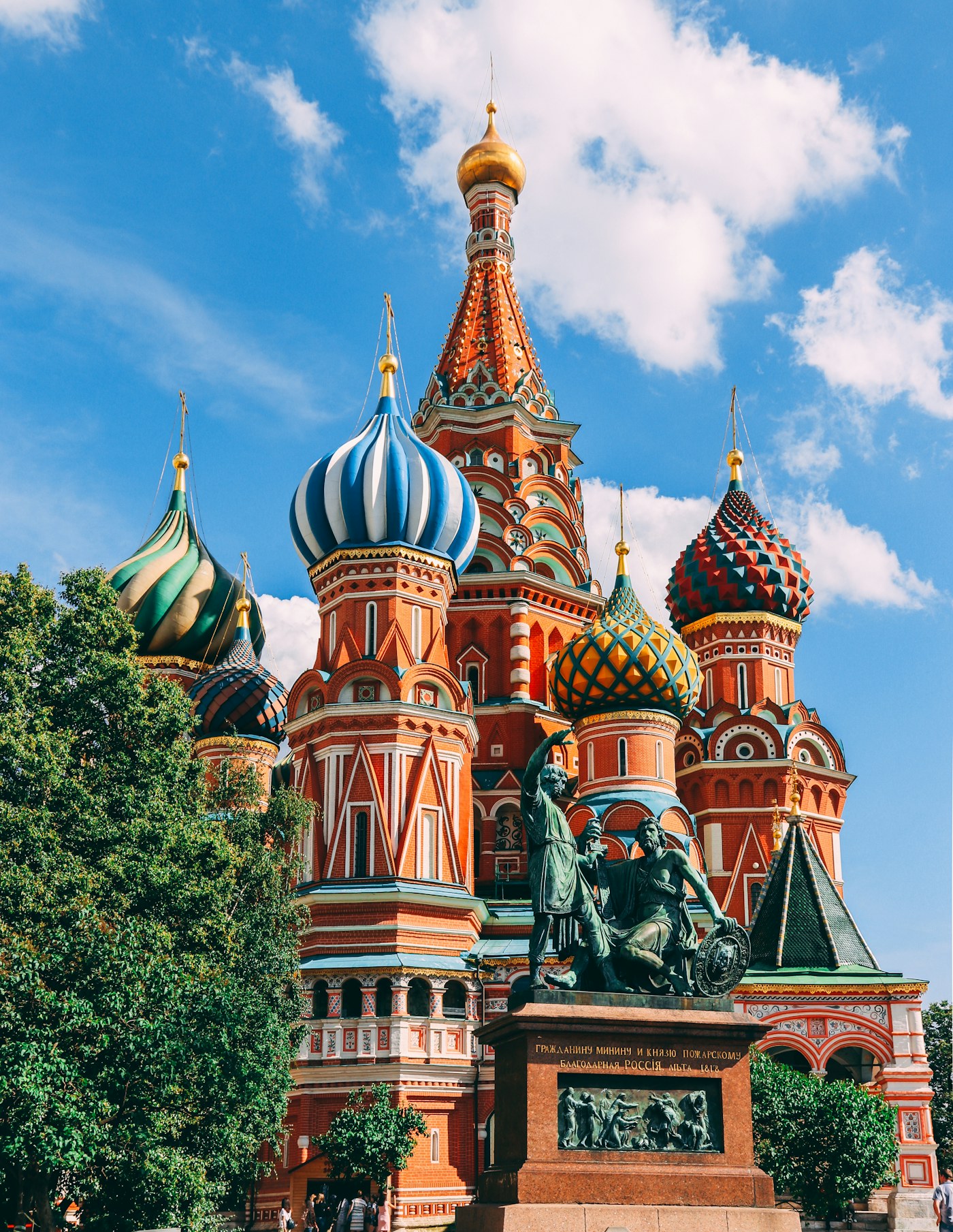
The first major music festival held in Moscow's Red Square in 75 years. This was not simply a performance in an iconic location. It was conceived as a cultural signal — a moment designed to communicate Russia's openness to international culture and investment after the Soviet period.
The week-long festival was staged in Moscow's iconic Red Square, in front of the ancient St Basil's Cathedral, next to the Russian seat of power, the Kremlin. Performers included José Carreras, the Bolshoi Ballet, the London Chamber Orchestra, and Dave Stewart. This is what happens when a single event is asked to carry a powerful message on behalf of a nation. The ceremony becomes inseparable from the statement it makes.
The event required navigating political, diplomatic, and cultural sensitivities that went far beyond event logistics. The choice of venue, the selection of artists, the tone of the broadcast — all of it carried meaning that extended well beyond the evening itself.
Full development and management of groundbreaking 24-hour music television channels in India & the Middle East, Thailand, and Australia. This was not a single event but the creation of an ongoing platform — a sustained operation built from nothing in markets that were, at the time, undergoing rapid cultural and economic change.
The scope covered conception, production, programming, advertising, sponsorship, distribution, and commercial growth. Channel [V] gave voice to the youth demographic in these markets for the first time through a dedicated music and culture platform. The channels were award-winning and commercially successful.
Building Channel [V] required understanding not just what content to produce, but how to build an audience, how to attract and retain commercial partners, and how to adapt a format to local culture without losing the qualities that made it distinctive. These are the same disciplines that apply when any organisation seeks to create a lasting presence — a channel, a series, a recurring platform — rather than a single event.
Widely broadcast awards show staged twice in India for the Star TV-owned music channel, showcasing some of the biggest international stars — many performing on the sub-continent for the first time — alongside major Indian performers and superstars.
Andy Ward assembled a highly experienced production team — specialist technical and directing crew from the international circuit — to work alongside Channel [V] staff and a local promoter. The first event was held at the 14,000-seater indoor venue the Indira Gandhi Arena in New Delhi, and featured the Spice Girls, Bon Jovi, No Doubt, and Savage Garden. Indian artists performing included pop artists such as Raageshwari and Shaan. Controversially, Pakistani band Junoon made their first appearance in India at the event.
The following year saw the show hosting performances from European artists including Aqua, 911, Sting and Def Leppard, alongside Indian stars A.R. Rahman, Daler Mehndi, Lucky Ali and Silk Route. The Jawaharlal Nehru Stadium in Delhi, the biggest in India, was the venue. Awards went to a host of stars including Amitabh Bachchan and Asha Bhosle. Many of the Indian stars who appeared at the Channel [V] awards shows credit them with their subsequent successful international careers.
An awards format honoring lifetime artistic contributions, developed and produced as a recurring broadcast institution. Where the MOBO Awards recognised emerging excellence, the UK Music Hall of Fame addressed a different occasion entirely — the formal, permanent acknowledgement of a body of work that has shaped an industry.
The principles of curation, credibility, and ceremony are the same; the tone, the gravitas, and the narrative arc are entirely different. A Who's Who of global talent from five decades were inducted, making this one of the most authoritative music recognition programmes ever created in the UK.
A high-profile charity fundraising event at the Royal Albert Hall, pairing leading fashion designers with performing artists and raising approximately £1 million for youth programmes. This was an event delivered under the direct patronage and protocol requirements of the British royal family's charitable apparatus — an environment where every detail, from seating arrangements to the order of introductions, carries institutional and diplomatic weight.
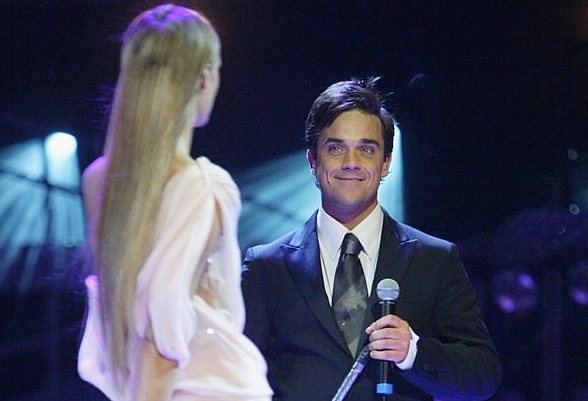
Fashion Rocks was inaugurated at the Royal Albert Hall in London and then Monaco the following year and featured exclusive shows from the world's top fashion designers, each paired with a superstar music artist. A novel format, it was created by Live Nation, Condé Nast and producer Andy Ward. The event was attended by HRH (then) Prince Charles.
Fashion Rocks illustrates what is required when the purpose of an evening extends beyond entertainment and into formal philanthropy and royal protocol. The creative ambition must be high, but it must operate within constraints that are non-negotiable. The audience includes patrons and dignitaries for whom the conduct of the event reflects directly on the institutions they represent.
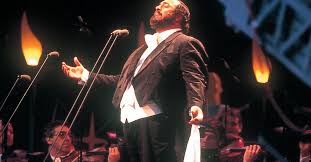
A free concert in Hyde Park, London, marking 30 years of Luciano Pavarotti's operatic career. Nearly 150,000 people attended the rain-soaked event. Prince Charles and Diana, Princess of Wales, were present. The recording was later released as a bestselling album and video.
Working closely with promoter Harvey Goldsmith, the principals captured the event for television — producing what became a best-selling audio and video release. Pavarotti in the Park is instructive because of what it required beyond the performance itself. An open-air event at this scale, in a royal park, attended by members of the royal family, with a live audience larger than most stadiums can hold — this demands coordination across public authorities, security services, broadcast teams, and royal protection, all while maintaining the artistic quality that justifies the occasion.
It is the kind of event where the logistics must be invisible and the ceremony must feel effortless, regardless of the complexity beneath. This is what it looks like when a career milestone is given the public recognition it deserves — not as a private celebration, but as a shared moment that becomes part of a city's cultural memory.
A BBC-led millennium broadcast involving 60 broadcasters around the world, celebrating the turn of the millennium with a 28-hour live programme linking more than 58 locations in the UK and 75 countries globally. Andy Ward served as editor across the entire project — the largest event broadcast in the history of the BBC.
A single, shared occasion — the turning of the millennium — told through the lens of dozens of nations as their time zones entered the 21st Century. The scale of coordination alone is significant: synchronising editorial tone, technical challenges, broadcast standards, and cultural sensitivities across multiple organisations, each with their own audience and their own expectations of what the moment should mean.
A recording project connecting nearly 300 musicians across 16 countries, united by shared concern about the looming environmental disaster that was beginning to emerge in the 1990s. This required coordinating creative contributions across vastly different cultures, time zones, and musical traditions — and assembling them into a single, coherent work that honoured each contribution while serving a unified narrative.
Produced for the One World Group of national broadcasters in 25 countries, the award-winning television programme mixed performances with documentary footage and specially commissioned "commercials for the planet" to highlight the crisis. Featuring artists from Sting to the Leningrad Symphony Orchestra, the programme won several awards.
The relevance here is the discipline of bringing diverse voices together under one purpose. When an organisation operates across borders, or when a milestone involves multiple partners, regions, or stakeholder groups, the challenge is the same: how do you create a single moment of recognition that every participant sees as their own?
Establishment of regional rights and format operations across Southeast Asia, securing more than 40 deals covering nearly 90 series with 19 broadcasters across seven countries. This was a systematic, market-by-market process of building relationships, negotiating rights, and adapting formats for local audiences and regulatory environments.
The experience is directly relevant to any organisation that operates across multiple countries and needs its message, its recognition programme, or its celebration to work in each of them — not as a single export, but as something that feels locally credible in every market it reaches.
A weekly music chart television format produced across markets including the UK, Ireland, Scandinavia, Moscow, Beirut, Bangkok, Sydney, Miami, and Mexico City. A single branded format, adapted and delivered across continents — demonstrating the ability to maintain consistency of quality and identity while adapting to the cultural and commercial conditions of each territory.
This demonstrates the operational discipline required to run a single branded format across dramatically different markets simultaneously — adapting content and presentation while maintaining the core identity that makes the format recognisable and commercially viable in every territory.
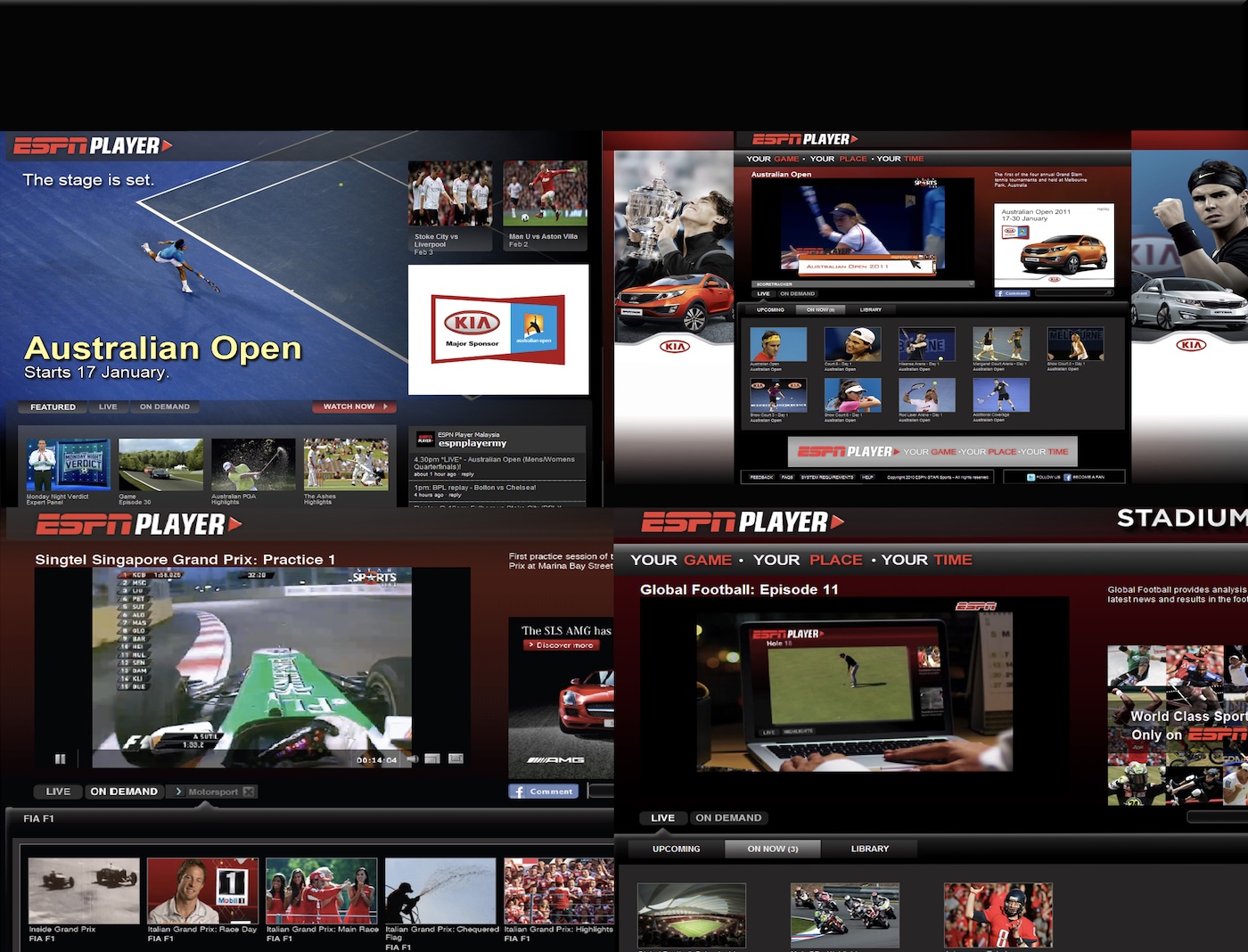
The regional joint venture of Star and ESPN carried multiple sport channels and provided locally tailored content for millions of Asian fans across multiple sports, brands, tournaments, and championships.
Having previously project managed the re-development and launch of ESPNStar.com (working under his role with BBC's Red Bee Media), tGI.C's Nigel Harper was headhunted for the role of Director ESPN Player, bringing his expertise to launch and develop the service. ESPN Player provided live streaming and on-demand access to multiple fixtures, matches and events, adding background and continual availability as well as companion programming and live streaming that enhanced the traditional broadcast presentation and engaged the fan-base. Soccer, Tennis, Cricket, Rugby, several Leagues, and multiple branded tournaments were all curated and presented by the service operations team.
ESPN Player provided 24/7 availability and companion programming with live streaming that enhanced the traditional broadcast presentation and engaged Asian region sports fans. This work involved understanding how digital and broadcast can complement rather than compete — building audience engagement throughout the season, not just on race day or match day.
During that time, a companion '2nd screen' service, RacemateLive, was launched with sponsors including Rolex to bring multi-channel live streaming during Formula One weekends. Utilising available broadcast programming that did not make it to air, the service expanded the reach and accessibility for F1 fans.
"Light the Darkness" was a major 1991 international concert for World Red Cross and Red Crescent Day (May 8) led by the ICRC in Geneva, aimed at protecting war victims and highlighting the Movement's humanitarian role. It symbolised bringing hope and aid to those suffering from conflict, coinciding with global efforts to uphold the Geneva Conventions.
This event is directly relevant to any organisation that leads work for humanitarian purposes or operates in contexts where the message must transcend entertainment — where the occasion itself is an act of advocacy. The disciplines of aligning advocacy, performance, and international broadcast are the same whether the context is public health, environmental protection, or humanitarian law.
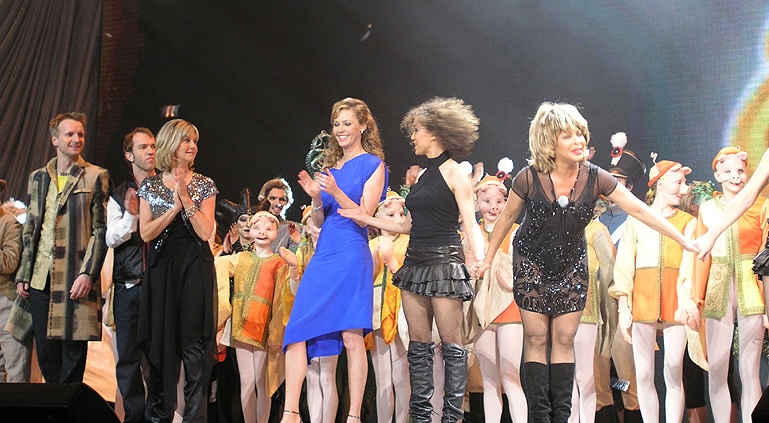
The "Once Upon a Time" concert was a major, spectacular show held on April 2, 2005, at Parken Stadium in Copenhagen, Denmark, to celebrate the bicentenary of Hans Christian Andersen's birth. The two-hour programme featured a mix of ballet, acrobatics, children's choirs, and tap dance to bring 12 of Andersen's most famous tales to life.
This event exemplifies what is possible when a national cultural legacy is given the ceremony it deserves — marking a 200-year anniversary not with a scholarly conference or a quiet commemoration, but with a spectacular public occasion that brought the work to life for a new generation and a global audience.
MTV Asia launched from Hong Kong in September 1991 as a joint venture between STAR TV and Viacom — the first pan-Asian 24-hour music network, carried via the AsiaSat 1 satellite across a geographic footprint that no single broadcaster had previously reached. tGI.C's Ed Sharples was part of the founding operation as Senior Producer and Studio Director.
The 1991–1994 period — the STAR TV era — was MTV Asia's formative chapter. At its peak, the network reached 38 countries across Asia and the Middle East. By May 1993, more than 11.3 million households could receive the signal. By the time MTV Asia and STAR TV parted ways in May 1994, the wider STAR TV network had grown to approximately 42 million homes across 52 countries.
The split led directly to the creation of Channel [V], the regional music television platform that took MTV Asia's position on the STAR TV network — itself a project theGreatIdeas.Company founders would go on to shape.
The Plácido Domingo World Opera Contest — now known as Operalia — was staged in Mexico City in 1994, the result of an unlikely collaboration between Televisa, Latin America's largest media company, and Fox Television. Neither broadcaster had produced an opera event of this kind. They turned to Andy Ward, now a co-founder of tGI.C, to devise and produce it from the ground up.
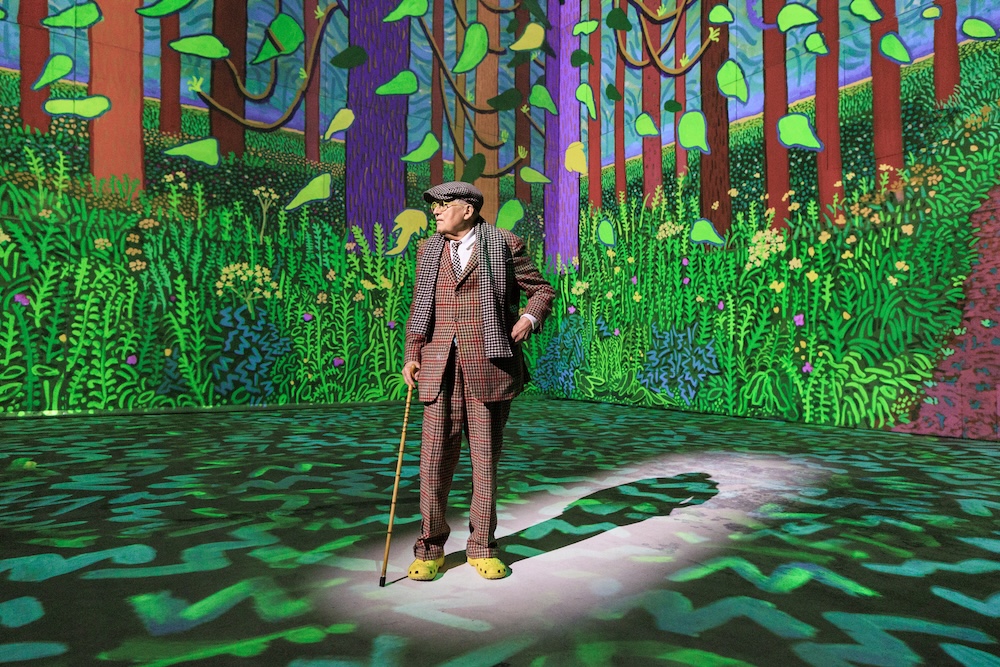
David Hockney designed the set. Plácido Domingo and Diana Ross presented. Thirteen young opera singers competed on a revolving turntable stage, inside an entire opera house — built by Hockney's design within a Televisa sound stage. The three-hour show was broadcast live across South America and simultaneously on Fox TV and Fox Latino.
The production complexity was considerable. Multiple broadcast partners each required different editorial emphases. Domingo changed a significant number of the arias the night before broadcast. Tension between the UK staging crew and the Mexican studio team had to be managed without disrupting delivery. These conditions — competing partner objectives, last-minute creative changes, cross-cultural crew dynamics — were navigated in real time while sustaining a live three-hour broadcast to a continental audience. More than 1,500 people were involved in the production. The event succeeded. Operalia continues to be staged to this day.
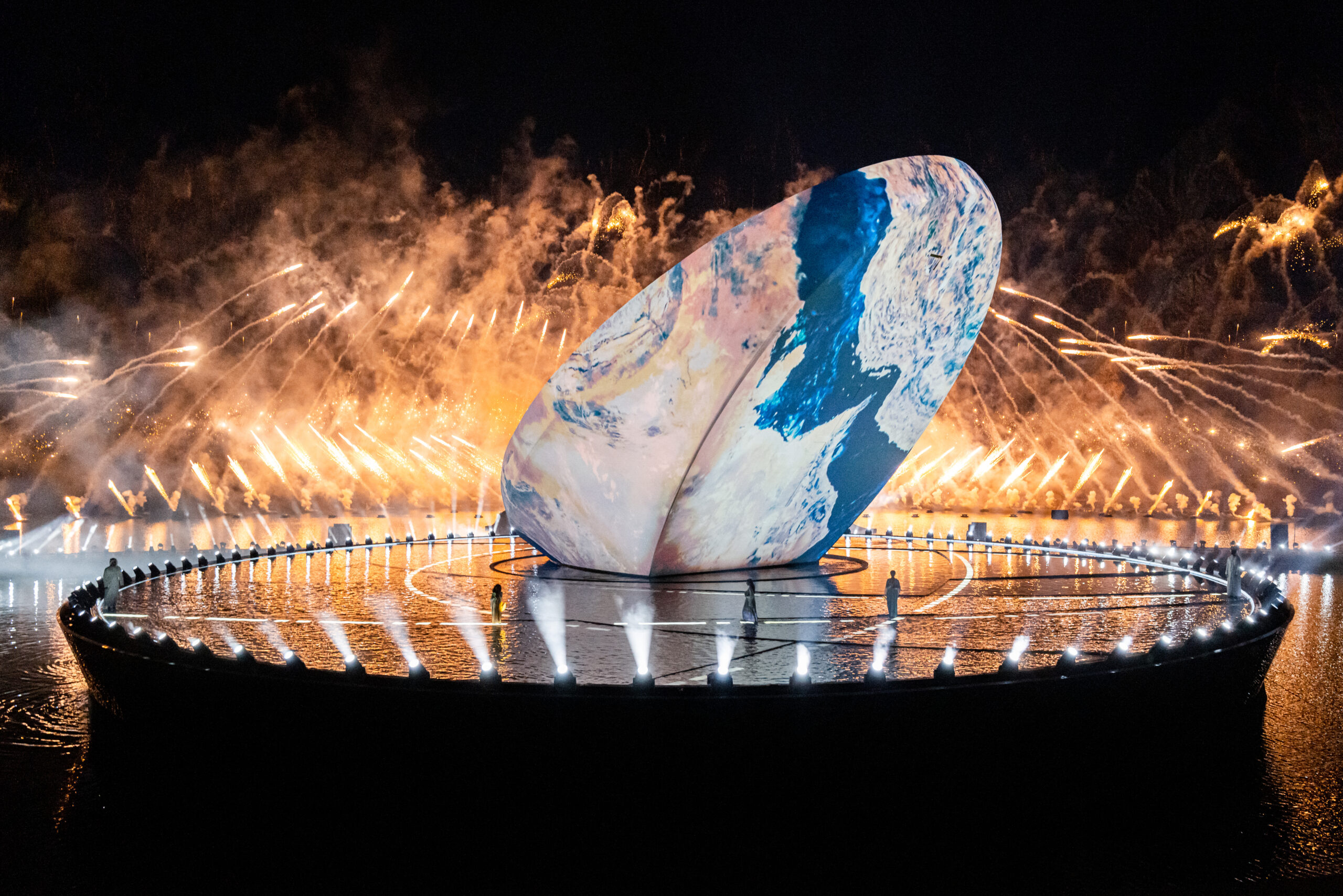
Since 2019 tGI.C executives have served as broadcast producers for this annual live National event, operating at the highest level of cultural diplomacy. In 2019 tGI.C's Aziz was tasked to take over the broadcast production of the National Day celebration in Abu Dhabi UAE, delivering International broadcast standard to all media outlets. Brought in to turn the event's production into a significantly more streamlined and cost efficient operation, the resulting success of this had led to an ongoing and successful relationship with the UAE government and is developing into further projects.
Special Olympics World Summer Games, Opening Ceremony in Abu Dhabi — Serving again as broadcast producer for the live opening ceremony, this was the first time this event had been held in the Middle East, hosted by the Abu Dhabi Zayed Sports Stadium. With the participation of more than 7,500 athletes with limited cognitive functioning from 190 countries the show also featured performances from Avril Lavigne, Emirati singer Hussain Al Jassmi and a 500 strong choir. The broadcast and subsequent other collaborations all went to air flawlessly and further collaborations are under discussion.
Some milestones mark the end of one chapter and the beginning of another. They represent sustained achievement over years — anniversaries, career retrospectives, organisational centenaries, founding moments that shaped what came after. These are occasions that deserve more than an internal dinner or a press release — and we have the experience to know exactly what they require.
We design the narrative around a milestone so that it speaks not only to the past but positions the organisation for what comes next. We create event and content structures that can be revisited and built upon over time, rather than producing a single occasion that is quickly forgotten. We bring experience managing protocol and community involvement, drawing on work with audiences ranging from tens of thousands in person to billions on screen.
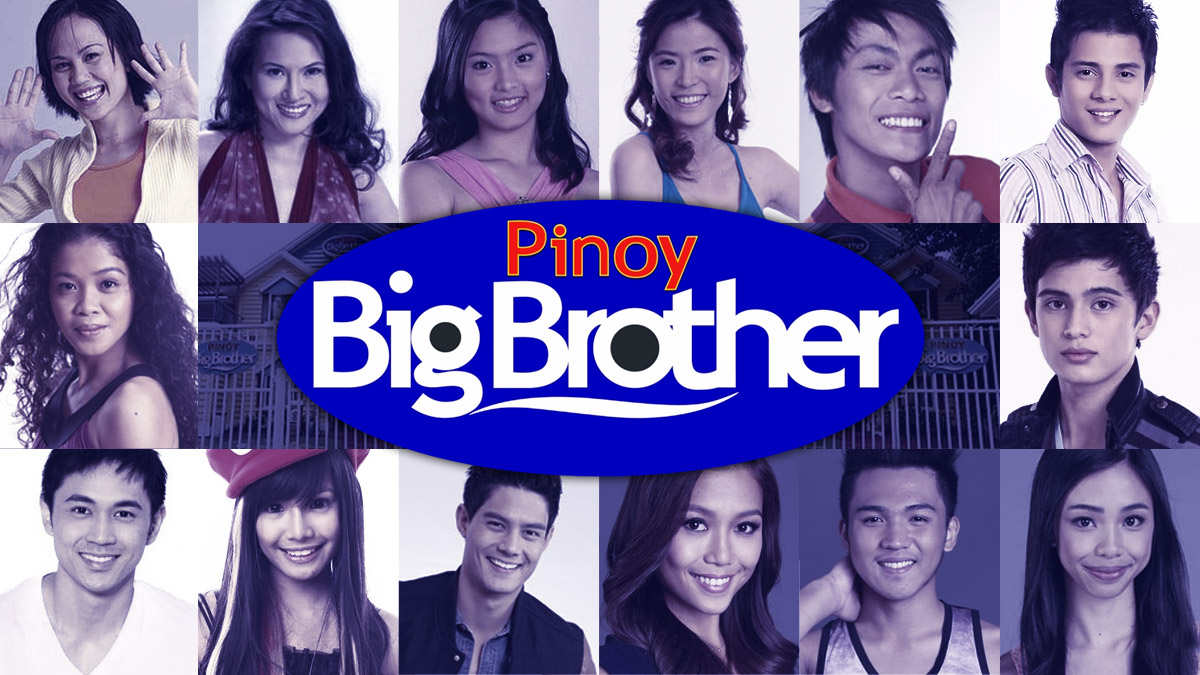
There is a particular significance to being first. The first major event in a historic venue in 75 years. The first dedicated music channel in a new market. The first reality TV series in Asia. These are moments that define what comes after — and the way they are handled determines whether they are remembered as pivotal or merely noted and forgotten.
Red Square Invites was conceived not simply as a concert but as a signal — a cultural statement about openness and possibility that was understood well beyond Moscow. Channel [V] in India and Thailand was not simply a channel launch — it was the creation of an ongoing cultural presence in markets where the youth demographic was given its voice for the first time.
Inaugural moments conceived not simply as events but as signals — cultural statements about openness, possibility, and what is now possible. The way they are staged determines how the world perceives everything that follows. We understand that launch moments are not just about announcing — they are about positioning. The ceremony becomes inseparable from the statement it makes.
Some occasions carry a message that extends beyond the organisation hosting them. The 46664 Concert was not simply a fundraising event — it connected world-class entertainment talent with a clear, urgent public health message and delivered it to an estimated two billion people. One World One Voice brought together nearly 300 musicians across 16 countries to tell a shared environmental story. 2000 Today involved 60 broadcasters in a single global narrative.
We have direct experience translating complex national or social objectives into programme formats that international audiences can understand and engage with. We know how to involve multiple countries, institutions, or communities in a single shared celebration. Our role is not to create stories from nothing, but to structure and stage stories that already exist in policy, in data, and in lived experience — and to give them the ceremony and the platform they need to be heard.
Creating a new awards platform is fundamentally different from producing an existing event. The MOBO Awards were conceived to fill a gap — a recognition platform for musical genres and artists that had no comparable stage in Europe. The UK Music Hall of Fame addressed a different need — the permanent, formal acknowledgement of careers that had shaped an entire industry. Both were built from concept to established institution.
Recognition programmes are not confined to entertainment. The disciplines that make an awards platform credible — rigorous criteria, trusted governance, compelling ceremony — are the same whether the field is music, science, journalism, sport, or business achievement. The range of viable categories is nearly unlimited, and the experience of building platforms from concept to institution translates directly.
This requires defining what will be recognised and why, earning the trust of the community the platform serves, designing jury structures and criteria that are credible from the outset, and building a format — whether broadcast, digital, or live — that attracts the right audience and the right participants in its very first year. The first year must be credible enough to earn a second. The format must be flexible enough to evolve but consistent enough to become a reference point.
Not every occasion is a single evening. Some organisations need a sustained presence — a recurring format, a content series, a media platform that keeps their story in front of audiences over time. Channel [V] required building full daily operations from concept to broadcast across two countries. The Pepsi Chart demonstrated how a single branded format could be adapted and deployed across continents while maintaining its identity. Endemol Southeast Asia required systematically building rights and format operations across seven countries with 19 broadcasters.
ESPN Player and companion content work brought companion programming, live streaming, and community to the regional ESPN Star network of sports channels — utilising live feeds through mobile-first delivery strategy to engage fans throughout the season, not just race-day or match-day.
We bring practical knowledge of format design, adaptation, and governance across different markets, and operational experience aligning creative, commercial, and distribution interests. We apply these principles to contemporary platforms — broadcast, digital, and hybrid — without overstating reach beyond what infrastructure and partnerships genuinely support. Understanding not just what content to produce, but how to build audiences, attract commercial partners, and maintain presence that feels locally credible in every market.
There are more than 16,000 registered charities and NGO's which operate internationally, many of which depend on the success of their fundraising to pay for the good causes they support. tGI.C Executives have created or collaborated on many such events, in addition to initiatives which seek to raise global awareness of issues ranging from climate change to public health issues such as the AIDS crisis in Africa, world poverty, famines, refugees and victims of war and so on.
By attracting major figures from the world of movies, music, digital media and politics to participate in such global initiatives, further amplified by international broadcast and social media, good causes can reach a wider spectrum of potential revenue sources.
We have worked with and have access to some of the best production and technical minds globally. These are not theoretical networks — they are established working relationships built over three decades of delivery at the highest levels of the industry.
theGreatIdeas.Company founders have not merely produced events — they have built institutions that endure. The following represent a selection of the most significant work our founders have created, produced, and delivered over more than three decades.
We function as strategic partners, not vendors awaiting instructions. Our role is to help you identify what merits celebration and how it can be presented visually — to understand why it matters to your stakeholders, and to structure recognition that serves long-term organisational positioning.
The ability to incorporate focused and eye-catching messaging into organisational achievements in order to enhance their global impact.
Our process begins with a thorough examination of your existing event plans and a collaborative dialogue to understand your objectives and aspirations. Every engagement starts with listening before designing.
(National Days, annual awards programmes, commemorations)
We draw upon our collective network of business relationships spanning multiple disciplines and capabilities. These are established working relationships, not speculative introductions — proven professionals with demonstrated track records at the highest levels of the industry.
These relationships are leveraged appropriately to enhance production value and reach — always in service of your objectives, never for show.
This isn't just about being creative. We also work to ensure that the operations, commercial elements, and the human factor are all delivered with care and attention. Great events are built on great foundations.
We engage only proven professionals with demonstrated track records. Your objectives require tested expertise and established methodologies, not experimental approaches.
Beyond full production services, we offer targeted consultancy where tGI.C specialists advise your team on specific aspects of your event requirements. Not every client needs full-service production — some need specific expertise to complement an existing team or capability.
Our consultancy services provide access to three decades of hard-won experience without necessarily requiring full-service production engagement. We will always recommend the right level of involvement for your objectives.